Concrete tells you it is failing before it fails. A rust stain at a spall, a hairline crack that darkens after rain, a joint that has opened a quarter inch since last winter: each is a symptom, and the repair depends on which cause is behind it. We repair concrete after we diagnose it, because a patch over a corroding bar or a failing subgrade is a patch that returns.
The scope on the northern Front Range ranges from sidewalks and curbs to parking decks, loading docks and industrial floors. Typical work includes removing unsound concrete back to sound material, cleaning or replacing corroded reinforcement, placing repair mortar or concrete, injecting cracks with epoxy or polyurethane, rebuilding joints and applying overlays or sealers.
Climate does much of the damage here. Freeze-thaw cycles, deicing chemicals and wet-dry swings work on every exposed surface, and flood events work on the rest. Four days of heavy rain in September 2013 flooded Loveland along the Big Thompson River and collapsed sections of US 34, a reminder that concrete near water carries risks that surface cracks do not reveal.
A condition survey comes first. We sound the surface with a hammer or chain drag to find delaminations, map the cracks, check cover over the steel and, where needed, ask a testing agency for cores and a petrographic look. The result is a repair map that distinguishes cosmetic issues from structural ones, and it lets a buyer decide what to fix this year and what to monitor.
We also ask why. A spall at a dock edge points to impact and trapped moisture, a settled panel points to a subgrade problem that slab lifting might solve, and map cracking points to a mix problem that no patch will cure. Where the cause is not addressed, the repair buys a season, not a decade, and we say so before the work starts.
Temperature sets the repair window. Repair mortars and sealants have placement ranges, and Front Range days can swing from a freezing morning to a warm afternoon. We schedule each repair for the part of the day when the surface and the air are inside the product range, and we cover or heat the work through the first night so the bond forms before the cold returns.
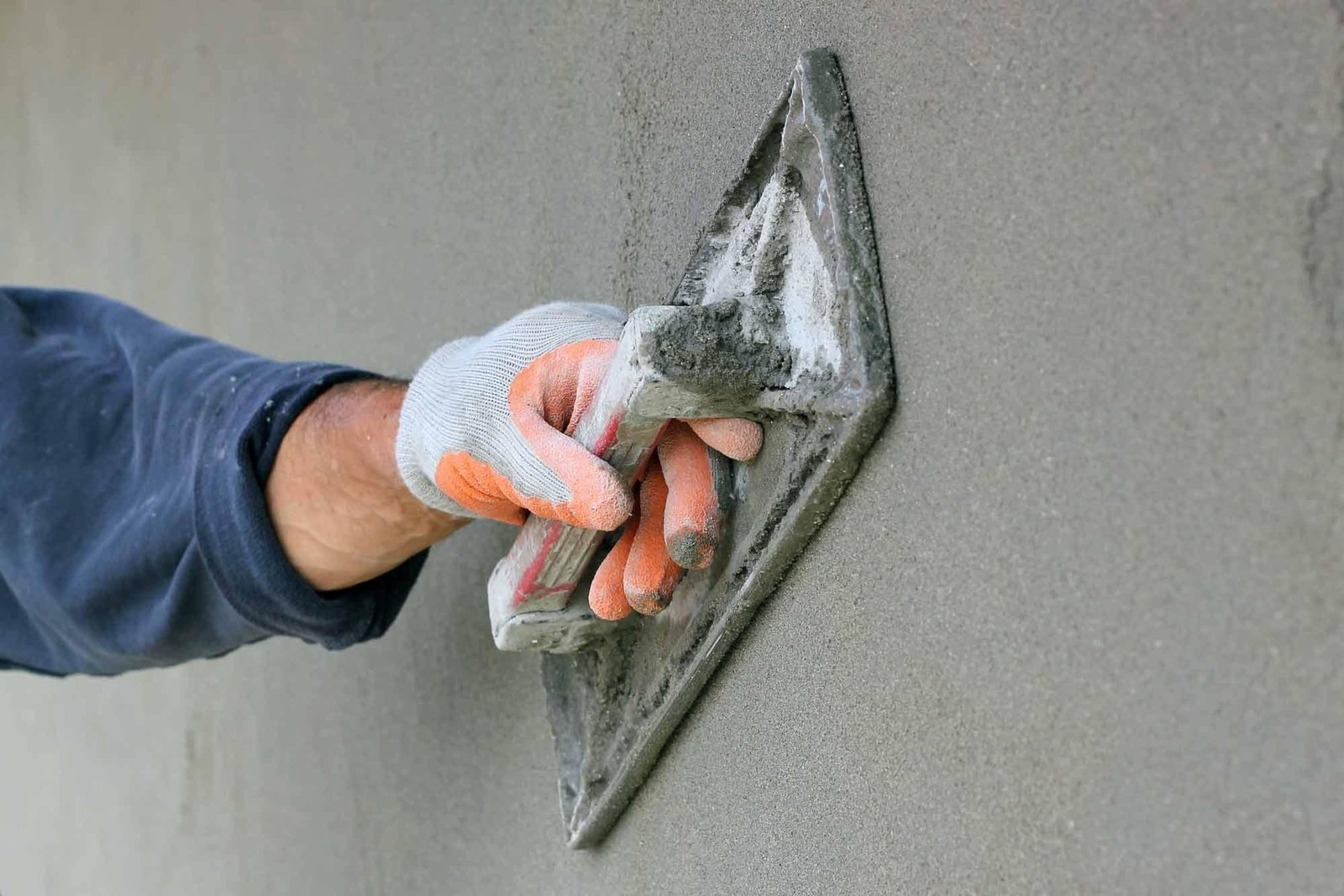
Shallow spalls get a bonded repair mortar after the edges are sawcut to avoid feathering. Deeper repairs expose the bar, remove corrosion, add reinforcement if section loss warrants it, and use a formed and pumped or hand-placed repair concrete. Cracks that move are routed and sealed, while stable cracks are injected under low pressure to restore load transfer.
Joints are a repair category of their own. Failed sealant is removed, the joint faces are cleaned, backer rod is set to depth and new sealant is tooled to the shape that lets it stretch. For worn sidewalks and flatwork and curb and gutter, replacement of a few panels often costs less than overlaying everything, and we offer both options with prices.
When a whole surface has scaled from deicing salts or worn through, a thin bonded overlay can restore it, provided the base is sound. We grind or shotblast to a clean, rough profile, check bond with pull-off tests where the specification asks for them, and cure the overlay under wet burlap or curing compound so it does not dry out faster than it gains strength.
Repair in Old Town is not like repair in a business park. The Old Town National Register district in Fort Collins covers roughly 26 acres and includes 38 contributing buildings, and a city-designated historic district dating to 1972 overlaps it with design standards. Matching color, texture and joint pattern of existing concrete is part of the submittal, not a courtesy.
Public sidewalks and curbs also bring right-of-way permits, traffic control and utility-locate requirements. We plan around those windows early so repair crews are not idle waiting for a permit, and we sequence work to keep businesses accessible. For Old Town blocks, that often means night or weekend placement and prompt cleanup.
Floodplain locations deserve a word as well. The Cache la Poudre River is subject to sudden floods and the city still sees periodic flooding from it, so repairs near the river corridor use materials that tolerate wetting and drying, and we avoid details that trap water against steel. We also document the condition of adjacent concrete before and after the work so there is a clean record if a storm arrives mid-project.
Repair demand follows age and exposure. Older commercial cores, parking structures and municipal streets form the bulk, and mountain-adjacent communities such as Estes Park face a sharper freeze-thaw regime and a higher cost to mobilize. We account for elevation and access when scheduling cure times and deliveries.
Public agencies and municipal operations teams ask us for punch-list style repair packages across many locations. Our work for municipal and public works owners is organized so each location has its own sequence and sign-off, and for decks we coordinate with the broader work on parking structures.
Quantity of unsound concrete is the main driver, and it is rarely known until the surface is opened. We price repairs with unit rates for each depth range and measure the area as the work proceeds, so the buyer pays for what is found, not for an estimate of it. Access, traffic control and working hours add to the base.
Material selection matters as well. A proprietary repair mortar is faster and bonds well, but a standard concrete repair can be more economical in larger volumes. We outline the options, the cure times and the warranty implications, and let the owner decide.
Send photos and a site address. We will walk the area, map what we find and price the repair options side by side.
No. Many cracks are shrinkage cracks that do not affect strength. The concern is cracks that are growing, that leak, that follow reinforcement lines or that line up with settlement. A condition survey sorts them, and we repair only what needs repair.
Some can. Many repair materials have minimum temperatures for placement and cure, and we protect work with heaters or enclosures when needed. Where a material cannot be placed safely in cold, we reschedule instead of risking a repair that debonds.
A repair will rarely match perfectly, but we can come close with mock-ups, matching aggregate and surface finish. In historic areas we submit samples for review before the full repair. Exact color match over time depends on weathering.
Rapid-set products can take foot traffic in hours and vehicles in a day, while standard repair concrete needs days to reach strength. We pick the material to fit your downtime window, and we tell you what it costs to shorten it.