The dirt that arrives on a site is part of the building, and the dirt that leaves it is part of the budget. A project that ends with a surplus of thousands of cubic yards needs somewhere to send it, a route to get there and a record of what moved. A project with a shortfall needs a source, a tested material and a delivery rhythm that matches the compactors. Both stories turn on trucks.
We import select fill, base rock and topsoil, and we export surplus soil, demolition debris and unsuitable material for developers, general contractors and industrial owners in Fort Collins and the surrounding towns. The job is more than trucking: it is the planning, permitting, tracking and documentation that make a haul legal, safe and economical.
The best haul plans are written before the first load, with a clear sense of where each cubic yard comes from, where it goes, and who has accepted it. We also keep one person responsible for the daily count, so that the question of how much has moved always has a single answer.
Fort Collins sits with Interstate 25 along its east side, US 287 running through as College Avenue, and State Highway 14 leaving on Mulberry Street after an I-25 interchange. Those corridors are the arteries for most hauling, and their conditions affect how many loads a truck can make in a day. Trucks bound for the interstate from east-side sites have a shorter trip than those starting in the central city, and a project on the west side of town pays for every extra signal on the way out. We map the route, the turning movements at the site entrance and the places where a loaded truck will meet school traffic or a rail crossing, and we adjust the hauling windows so that the plan survives contact with an ordinary weekday.
The interchange at Mulberry and I-25 is itself a construction site in waiting. CDOT's improvements project covers I-25 mileposts 269 to 271 and cites aging infrastructure, flooding concerns and bridge replacement among its benefits, with final design estimated for early 2028 and construction funding not yet identified as of August 2024. Haulers need to watch the corridor, since a project near the Mulberry and I-25 interchange will compete with future work for road space and disposal sites.
Imported fill has to come from a source that the engineer has approved, with a gradation and a laboratory curve if the project calls for them, and each load has a ticket. Exported soil has to go to a site that is permitted to receive it, and if there is any question about contamination, we require testing first. Clean fill, topsoil, concrete rubble and mixed debris all go to different places, and mixing them can turn a cheap haul into an expensive one.
Our cut and fill earthwork planning tries to avoid hauling at all, because the least expensive dirt is the dirt that never leaves the site. When a project has to import or export, we investigate whether a nearby project needs material or has material to give. A pad that needs 20,000 cubic yards and a pond that produces 20,000 cubic yards a mile away can sometimes be matched, with permission from both owners.
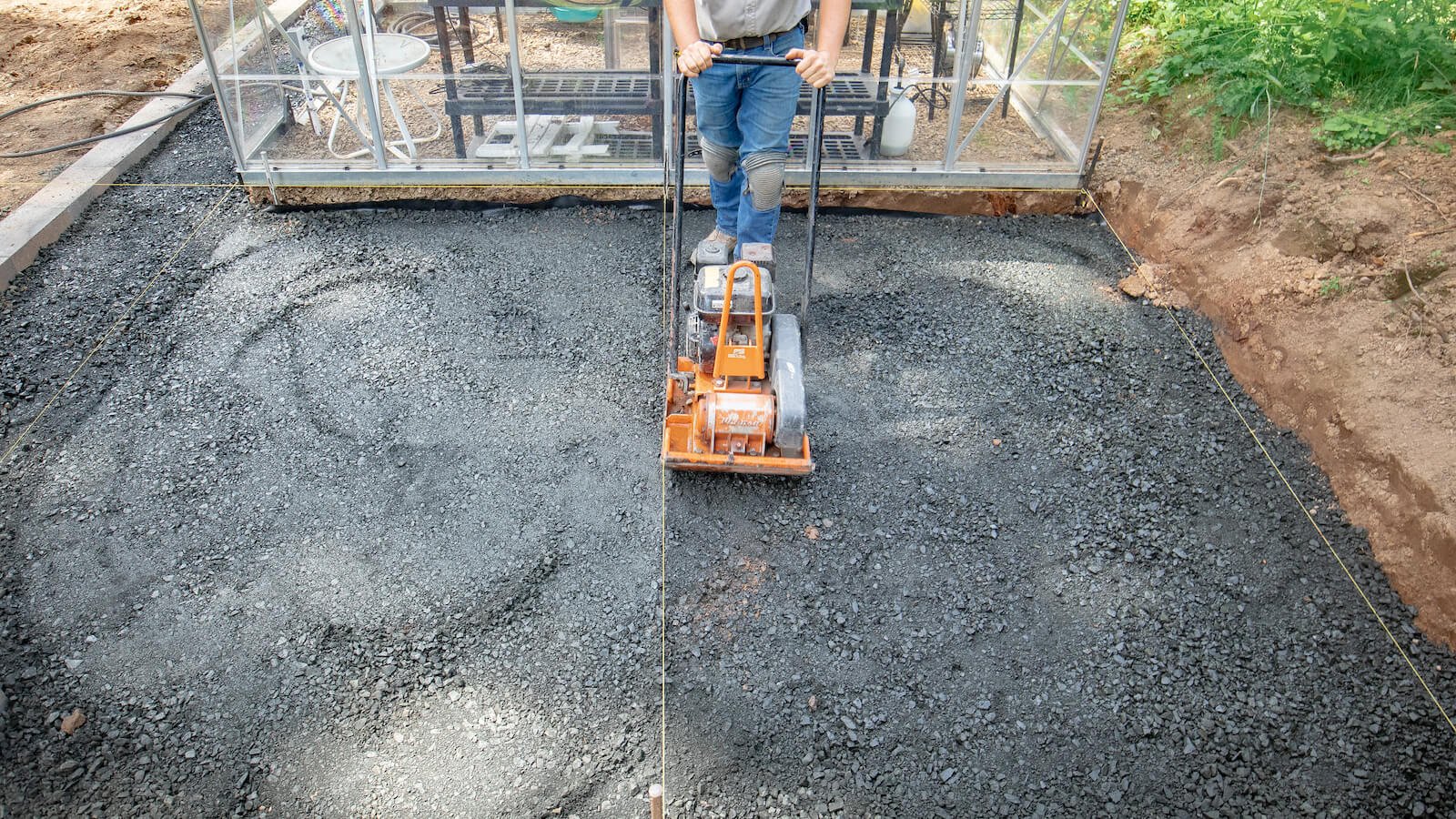
Trucks work on a rhythm. A compaction crew can place only as much as it can spread, moisture condition and roll, and trucks that arrive faster than that line up and waste time. We schedule deliveries to match the placement rate and stagger them with the testing firm's visits so that a lift is not covered before it is tested.
Local rules may limit hours, require approved haul routes or ban heavy trucks from certain streets. School zones, weekend events and winter conditions affect timing, and so do the construction plans of other projects. When we are exporting waste from a site such as those handled under demolition and site prep, we also check the receiving facility's hours so that trucks are not held at the gate.
Trucking cost grows with round-trip time, which depends on distance, traffic, loading speed and dumping speed. A haul that takes 20 minutes each way supports fewer loads per truck per day than one that takes 10, and the price follows. Tipping fees at the disposal site, source charges for imported material and any required testing are added to the haul cost.
Hidden costs include sweeping and tracking control, since mud on a public road is a violation and a safety hazard, and the cost of managing contaminated or mixed material that was expected to be clean. We price these in, along with a contingency for weight-limit seasons and weather. A defined unit price per cubic yard, with the haul distance and disposal site stated, is the most transparent way to compare bids.
Industrial plants and large logistics campuses move more material than most owners expect. Industrial and manufacturing owners expanding a site often need to export soil from a new foundation and import select fill for a replacement pad, and the schedule for each affects the plant's operations.
For logistics and fulfillment centers, the volumes are larger, because the pads are large and the yards extend beyond the building. We design haul plans that keep trucks off public roads wherever possible by routing within the site, and we use temporary roads and crossings so that the construction traffic stays out of the way of tenants and neighbors in Fort Collins and beyond.
Tell us the cut and fill balance, the material specifications and the site entrances. We will draft a haul plan and a price based on distance, disposal and testing.
We can source select fill, base rock or topsoil from approved suppliers and deliver it with tickets. If the project requires a specific source or gradation, we confirm it with the engineer before ordering.
It goes to a receiving site that has agreed to accept it, which may be another construction project, a permitted fill site or a landfill. The destination depends on the material and whether it has been tested. We document each load.
We install a tracking pad at each exit, sweep the road regularly and wash tires if needed. Haul roads inside the site are graded and kept dry. If the road gets dirty, we clean it the same day.
Yes. We keep daily tickets with load counts, material, source and destination, and we reconcile them with survey quantities. That record helps resolve disputes about quantities.
If testing or observation suggests contamination, we stop, notify the owner and handle the material according to the rules and the receiving facility's requirements. We do not mix it with clean material.